
AI Audit and Optimization Services
Our AI audit and optimization services give you an independent, evidence-based view of how your existing AI systems are actually performing, in production, not in a demo. We assess model accuracy and reliability, data quality and pipelines, security and risk exposure, governance and oversight, and generative AI and LLM behavior, then translate every finding into a prioritized roadmap your team can act on. The goal is clarity on what's working, what isn't, why it's happening, and what to fix first, not a generic AI readiness pitch.


What Are AI Audit & Optimization Services?
AI audit and optimization services provide a structured, independent evaluation of existing AI systems to identify performance gaps, understand potential risks, and determine where improvements are needed across models, data, infrastructure, integrations, monitoring, and governance. An AI audit evaluates the current condition of your AI systems, while AI optimization focuses on recommending and, where included in the agreed scope, implementing improvements. The assessment helps businesses understand what is working, what needs attention, and which actions should be prioritized.
Our AI audit and optimization services may cover the following areas, Depending on your systems and business requirements, an engagement can cover:
- AI model performance assessment
- AI data quality and pipeline auditing
- AI security and risk assessment
- Responsible AI and governance review
- Generative AI and LLM auditing
- AI monitoring and operational readiness assessment
- AI optimization opportunities
- Actionable AI optimization roadmap
Why Businesses Need AI Audits
Most organizations running AI in production don't lack dashboards; they lack an independent, structured answer to is this actually working the way we think it is? An audit exists to surface that honestly, not to guarantee a specific performance gain or cost saving. We're direct about what it can and can't promise.
Inconsistent or Inaccurate AI Outputs
When a model's outputs vary in quality or accuracy across similar inputs, teams often can't tell whether the cause is the model, the data, or how it's being used, until someone looks across all three.
Model Performance Degradation Over Time
Models that performed well at launch can quietly degrade as real-world data shifts, a pattern that's rarely visible without dedicated drift detection and ongoing evaluation.
Poor-Quality or Outdated Data
A model is only as reliable as the data feeding it; stale, mislabeled, or poorly governed data is one of the most common and most overlooked sources of underperformance.
Security and Privacy Gaps
Access-control weaknesses, sensitive-data exposure, and prompt injection risk are easy to miss when a system was built quickly and never reviewed from a security standpoint.
Weak Monitoring and Observability
Without evaluation practices, logging, and drift detection in place, issues are usually discovered by users or customers before they're discovered internally.
AI Audit and Optimization Solutions
As an AI audit company and AI optimization service provider, Wappnet AI helps businesses evaluate existing AI systems, uncover technical and operational gaps, and identify practical opportunities for improvement. Our AI audit consulting services can focus on specific challenges or cover multiple components of your AI environment, depending on your requirements.
AI System Audit and Readiness Review
We examine existing AI architectures, integrations, data flows, and deployment environments to establish a clear picture of your current setup and identify gaps affecting reliability, scalability, and operational readiness.
AI Model Performance Assessment
Our AI model performance assessment evaluates accuracy, reliability, output quality, error patterns, and robustness against the model’s intended purpose. We use relevant evaluation data and production behavior to identify weaknesses and areas requiring further investigation.
AI Model and System Optimization
Our AI optimization services identify opportunities to improve inference latency, resource utilization, cost efficiency, and operational effectiveness. Recommendations are prioritized according to expected impact, technical feasibility, and business requirements.
AI Data Quality and Pipeline Audit
We review data quality, preprocessing, feature engineering, retrieval pipelines, and data access to identify upstream issues that may contribute to inconsistent outputs or declining model performance.
AI Security and Risk Assessment
We assess relevant system vulnerabilities, sensitive-data exposure, access-control gaps, prompt injection risks, and other security concerns that could affect AI applications and their users.
Responsible AI and Governance Review
We evaluate bias, fairness, explainability, documentation, accountability, and human oversight to identify gaps in responsible AI practices and governance processes.
Generative AI and LLM Auditing
For generative AI applications, we assess output quality, hallucination patterns, retrieval-augmented generation (RAG) pipelines, guardrails, prompt handling, and sensitive-data protection. Our findings help teams understand where additional evaluation or controls may be needed.
MLOps and AI Infrastructure Assessment
We review model monitoring, drift detection, evaluation practices, deployment processes, logging, version control, and incident response to identify operational bottlenecks and opportunities to improve maintainability.
Actionable Optimization Roadmap
We translate assessment findings into prioritized recommendations, remediation steps, and continuous-improvement opportunities. The roadmap helps your team plan next steps based on business priorities, risk, dependencies, and implementation effort.
Not Sure How Your AI Systems Are Really Performing?
Tell us what you've deployed, what's concerning you, whether it's output quality, cost, security, or governance, and we'll help you scope an audit that answers the specific questions you have, without assuming you need a full-scale review.
Our AI Audit Process
Our AI audit consulting services follow a structured, flexible process tailored to your AI systems, business goals, and documentation. After the initial discovery steps, we confirm the scope, deliverables, and timeline based on your system's complexity and assessment needs.
- 1
Define Audit Objectives, Scope, and Success Criteria
We start by agreeing what the audit needs to answer, which systems are in scope, and what a useful outcome looks like for your team, rather than defaulting to a blanket review.
- 2
Review Existing Systems, Documentation, Data, and Workflows
We gather architecture details, data flows, deployment environments, and existing documentation so the assessment is grounded in how the system actually runs.
- 3
Evaluate Performance, Security, Reliability, and Governance
We assess model performance, data quality, security posture, and governance controls as relevant to the agreed scope, including generative AI behavior where applicable.
- 4
Identify Gaps, Root Causes, and Optimization Opportunities
We trace symptoms back to root causes, whether that’s a data issue, a model issue, an infrastructure issue, or a governance gap, and flag where optimization could help.
- 5
Prioritize Findings by Impact, Severity, Effort, and Risk
We rank every finding so your team can see at a glance what needs attention first, what can wait, and what would require disproportionate effort to fix.
- 6
Deliver the Audit Report and Optimization Roadmap
We hand over a findings report and a prioritized, actionable roadmap your team, or ours, can execute against, the core output of our AI audit and optimization services.
AI Audit Use Cases
Our AI audit services help businesses identify risks, uncover performance gaps, and improve existing AI systems based on their specific needs, deployment, and business objectives.
Reviewing Production Machine Learning Models
A model that performed well in testing is now live and producing results that feel inconsistent. An audit traces whether the cause is data drift, a labeling issue, or the model itself.
Evaluating Generative AI and LLM Applications
An internal copilot or customer-facing assistant is in production, and leadership wants an independent view of hallucination risk, output quality, and guardrail coverage before it scales further.
Assessing RAG-Based Knowledge Assistants
A retrieval-augmented assistant sometimes returns outdated or irrelevant answers. An audit reviews the retrieval pipeline, source quality, and prompt handling behind the responses.
Reviewing Predictive Analytics Solutions
A forecasting or risk-scoring model is central to planning decisions, and the business wants confirmation that its accuracy and assumptions still hold as conditions change.
Auditing Recommendation Systems
A recommendation engine's relevance appears to be slipping. An audit evaluates the underlying data, ranking logic, and feedback loops driving its suggestions.
Evaluating Computer Vision Applications
A vision model used for inspection or detection needs independent confirmation of its accuracy, failure patterns, and robustness across real-world conditions, not just test data.
Reviewing AI-Powered Business Workflows
An automated workflow spanning multiple AI components needs a check on whether each stage is still performing as intended and where handoffs introduce errors.
Assessing Model Monitoring and Drift
A team suspects performance has degraded since launch but has no reliable way to confirm it. An audit reviews what's being monitored, and what isn't.
Improving AI Infrastructure and Inference Efficiency
Inference costs have grown faster than usage. An audit looks at resource utilization and deployment choices to find where efficiency gains are realistic.
AI Audit vs. AI Optimization
AI auditing identifies risks, performance gaps, and areas for improvement, while AI optimization focuses on implementing changes to improve results. Combining both helps businesses turn audit findings into actionable improvements and avoid addressing the wrong issues.
Technologies, Frameworks, and Standards We Assess Against
We assess the technologies, infrastructure, and standards relevant to your existing AI systems and business requirements. Our evaluation covers the frameworks, platforms, data pipelines, monitoring tools, and security controls needed to identify performance gaps, operational risks, and opportunities for improvement.













Industries We Help With AI Audit and Optimization
Why Choose Wappnet AI for AI Audit & Optimization Services?
As an AI audit consulting company, Wappnet AI connects technical findings with business priorities to help organizations understand risks, identify improvement opportunities, and make informed decisions about their existing AI systems.
Business-Focused Audit Priorities
We prioritize findings based on business impact, operational risk, and urgency, helping your team focus on the issues that matter most rather than unnecessary technical changes.
Clear, Actionable Recommendations
Our AI audit findings explain what we discovered, why it matters, and what steps your team can take next. You receive prioritized recommendations to support informed decision-making and improvement planning.
Practical AI Optimization Guidance
We identify realistic opportunities to improve AI performance, efficiency, and reliability while considering your existing infrastructure, technical dependencies, and implementation requirements.
Security and Responsible AI Expertise
We assess relevant security controls, data protection practices, governance processes, and human oversight to help identify risks and strengthen responsible AI practices.
Real-World AI Audit and Optimization Solutions We've Delivered
Real-world production model assessments, latency optimizations, and risk remediations delivering tangible ROI.
Enterprise Support Copilot RAG Optimization
Audited production RAG knowledge base for 50k monthly queries, reducing hallucinations by 64% and decreasing inference latency from 4.2s to 1.1s.
Credit Risk Scoring Model Drift Remediation
Diagnosed feature drift and covariate shift in loan underwriting pipeline, retraining models and restoring decision accuracy back to 96.8%.
Computer Vision Quality Inspection Optimization
Quantized and pruned defect detection vision models for edge factory deployment, slashing inference compute costs by 45% while preserving 99.2% recall.
Ready to Find Out What Your AI Systems Are Really Doing?
Bring your current AI systems, what's concerning you, and what good would look like, and we'll help you scope an audit that answers those specific questions, with no obligation and no promise of a guaranteed outcome.
Latest AI Insights & Industry Trends
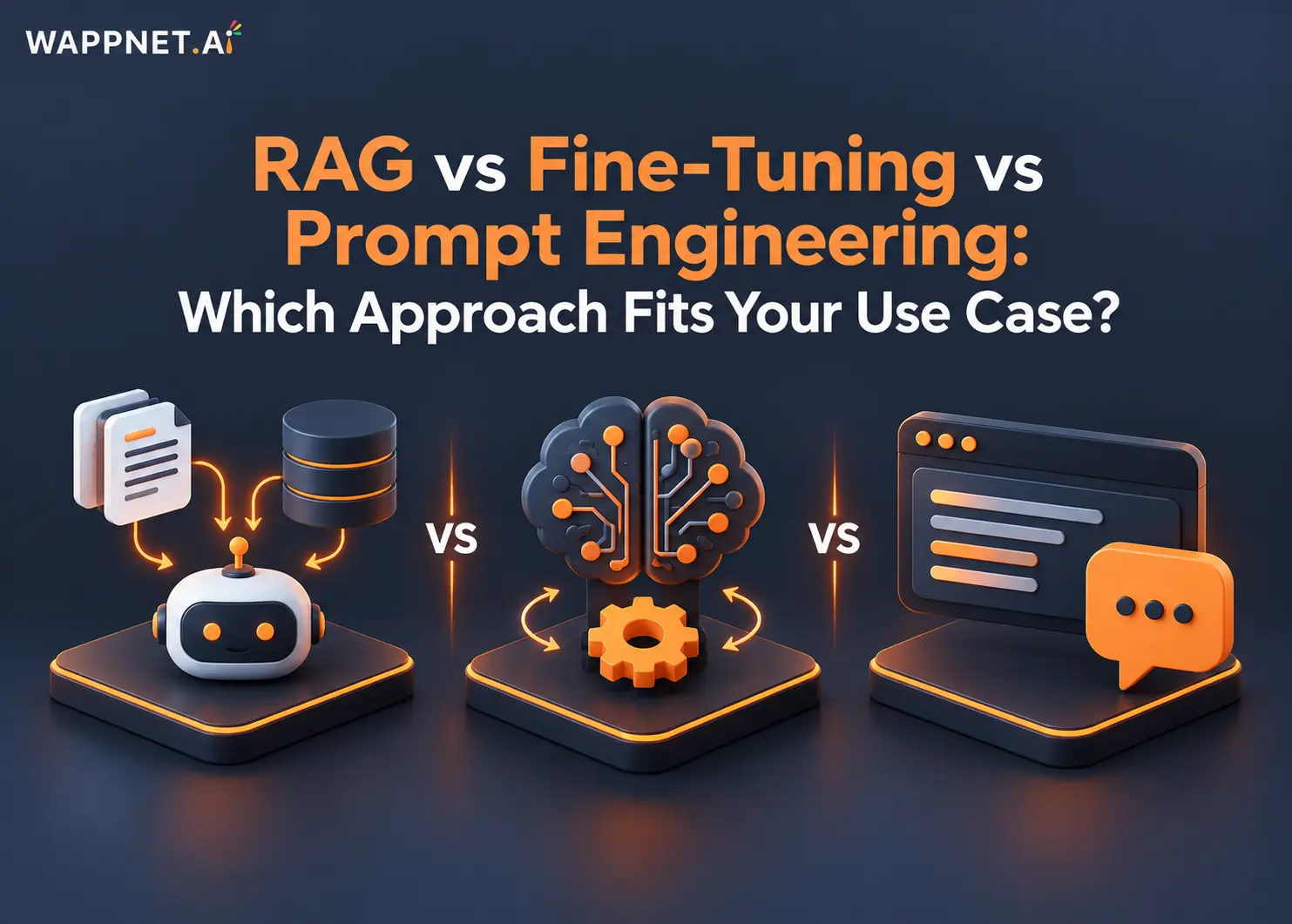 RAG
RAG vs Fine-Tuning vs Prompt Engineering: Which Approach Fits Your Use Case?
Compare RAG, fine-tuning, and prompt engineering to explore costs, use cases, and the best approach for enterprise AI.
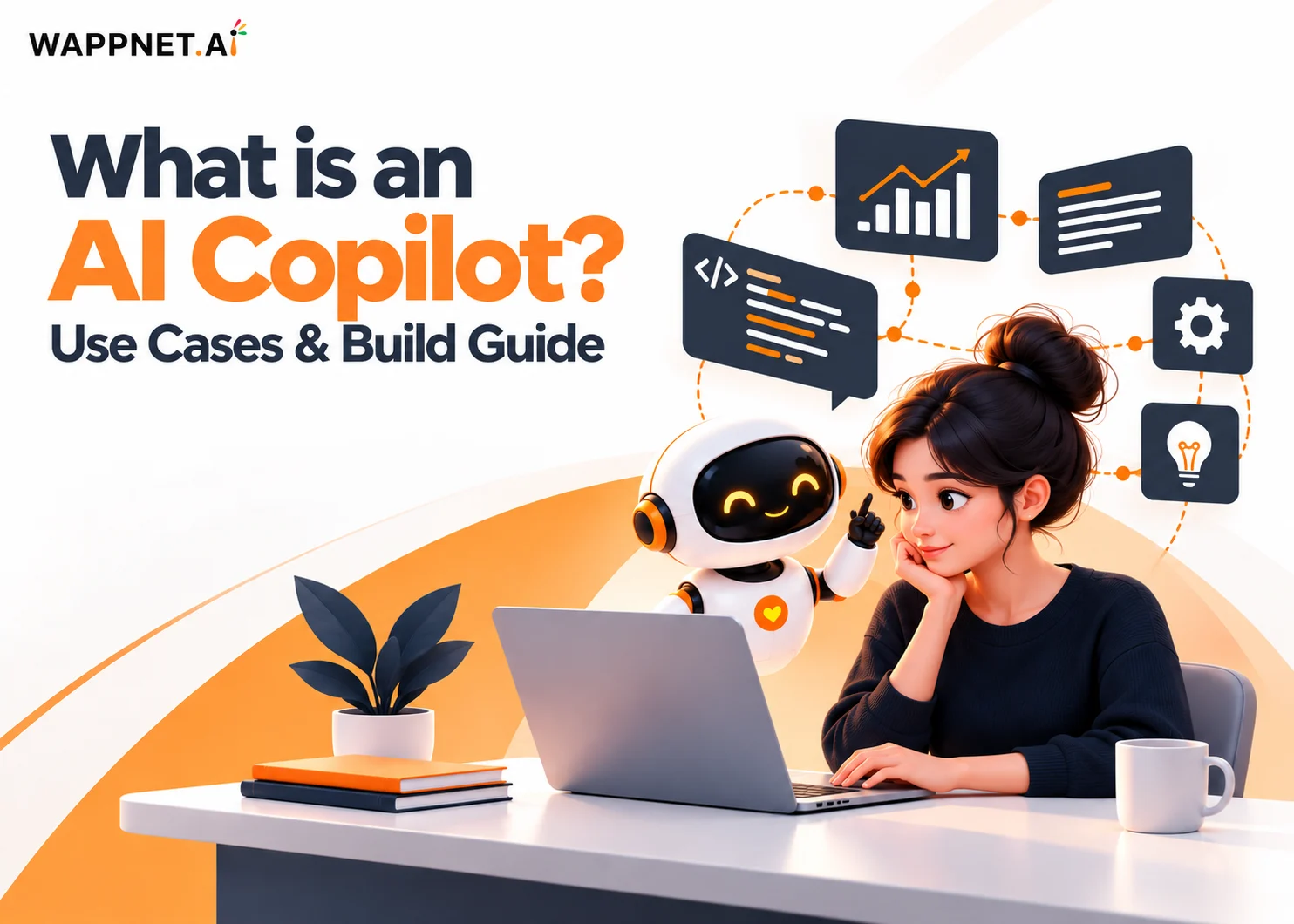 AI Copilot
What is an AI Copilot? Use Cases & Build Guide
What is an AI Copilot? Learn how it works, how it differs from AI agents, key use cases, and how to build one for your business.
 RAG
What Is RAG? A Complete Guide to Retrieval-Augmented Generation
Learn what RAG is, how Retrieval-Augmented Generation works, reduces AI hallucinations, and powers smarter enterprise AI.
Frequently Asked Questions
AI audit and optimization services evaluate an existing AI system's model performance, data quality, security, governance, and operational readiness, then turn the findings into a prioritized roadmap of recommendations and, where scoped, remediation steps.
An AI system audit typically covers model performance and accuracy, data quality and pipelines, system architecture and integrations, security and access controls, bias and governance, monitoring and drift detection, and, where relevant, generative AI and LLM behavior.
We assess accuracy, reliability, output quality, and error patterns against the model's intended task, using production behavior and evaluation data rather than test-set scores alone, and look for robustness and drift over time.
An audit identifies and evaluates current conditions, gaps, and risks. Optimization addresses selected opportunities the audit surfaces, performance tuning, cost efficiency, or process changes. An audit can inform an optimization plan without necessarily including hands-on implementation.
Yes. Production systems are the most common audit scope, since they reflect how a model actually behaves with real users and real data, rather than how it performed during development or testing.
Yes. Our generative AI and LLM auditing evaluates output quality, hallucination patterns, retrieval-augmented generation pipelines, guardrails, prompt handling, and sensitive-data protection where applicable.
It depends on system complexity, how much documentation already exists, and how many systems are in scope. We propose a scoped timeline after the objective-setting and discovery steps rather than quoting a fixed duration upfront.
Typically, an audit report detailing findings by root cause and severity, and a prioritized optimization roadmap with recommended next steps. Hands-on remediation is a separate, explicitly scoped deliverable, not an automatic inclusion.